Five areas of mechanical engineering work. Each can be a full design appointment, a focused study, or a second opinion on someone else's design.
Mechanical and industrial HVAC design
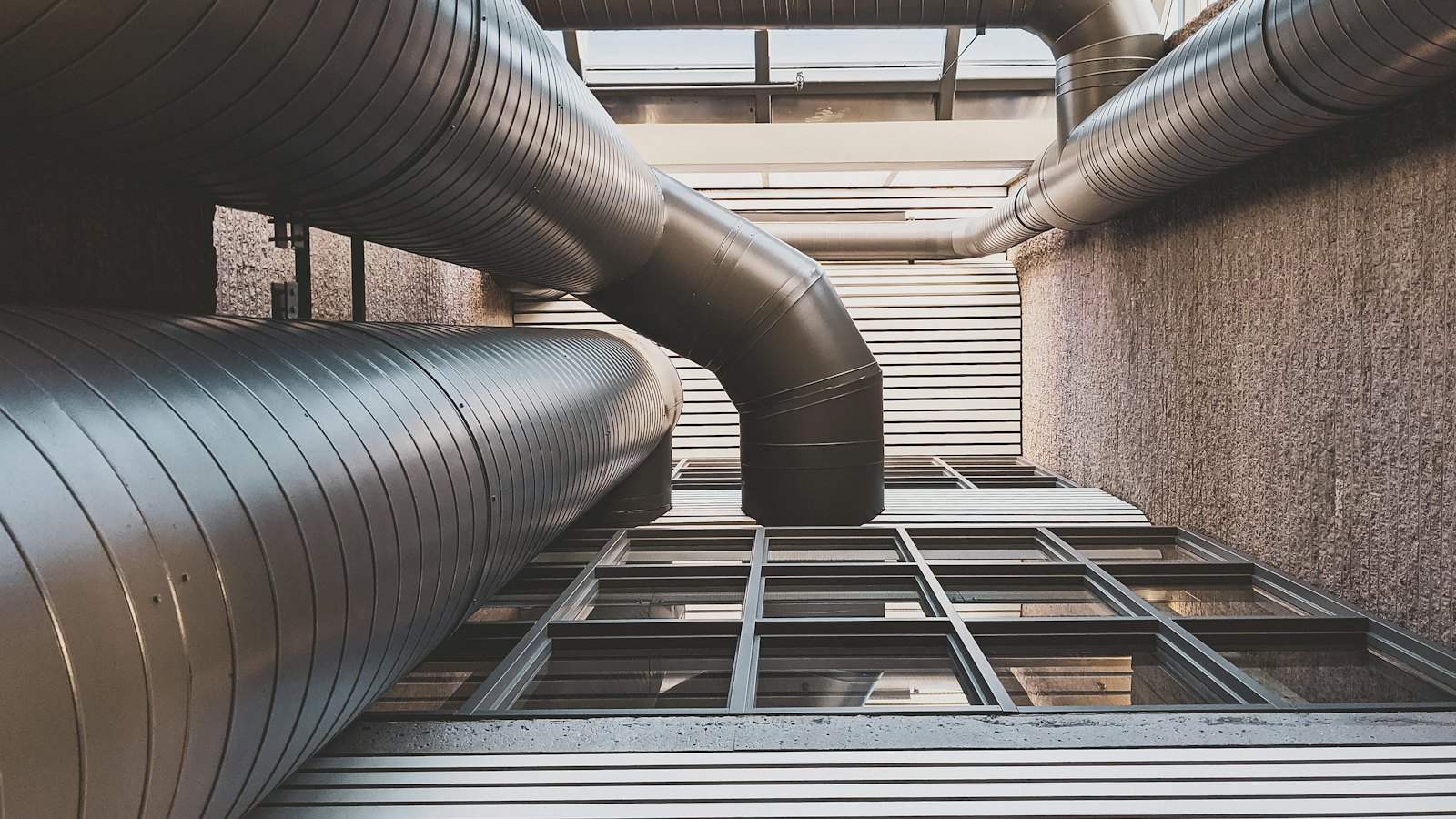
Design of heating, ventilation, air conditioning and process cooling systems for industrial and commercial facilities, from first concept through to detailed design. The aim is a system that holds its conditions reliably, can be built and maintained, and uses as little energy as the process allows.
Typical scope
Heating and cooling load calculations
System selection and option comparison
Ventilation and air distribution design
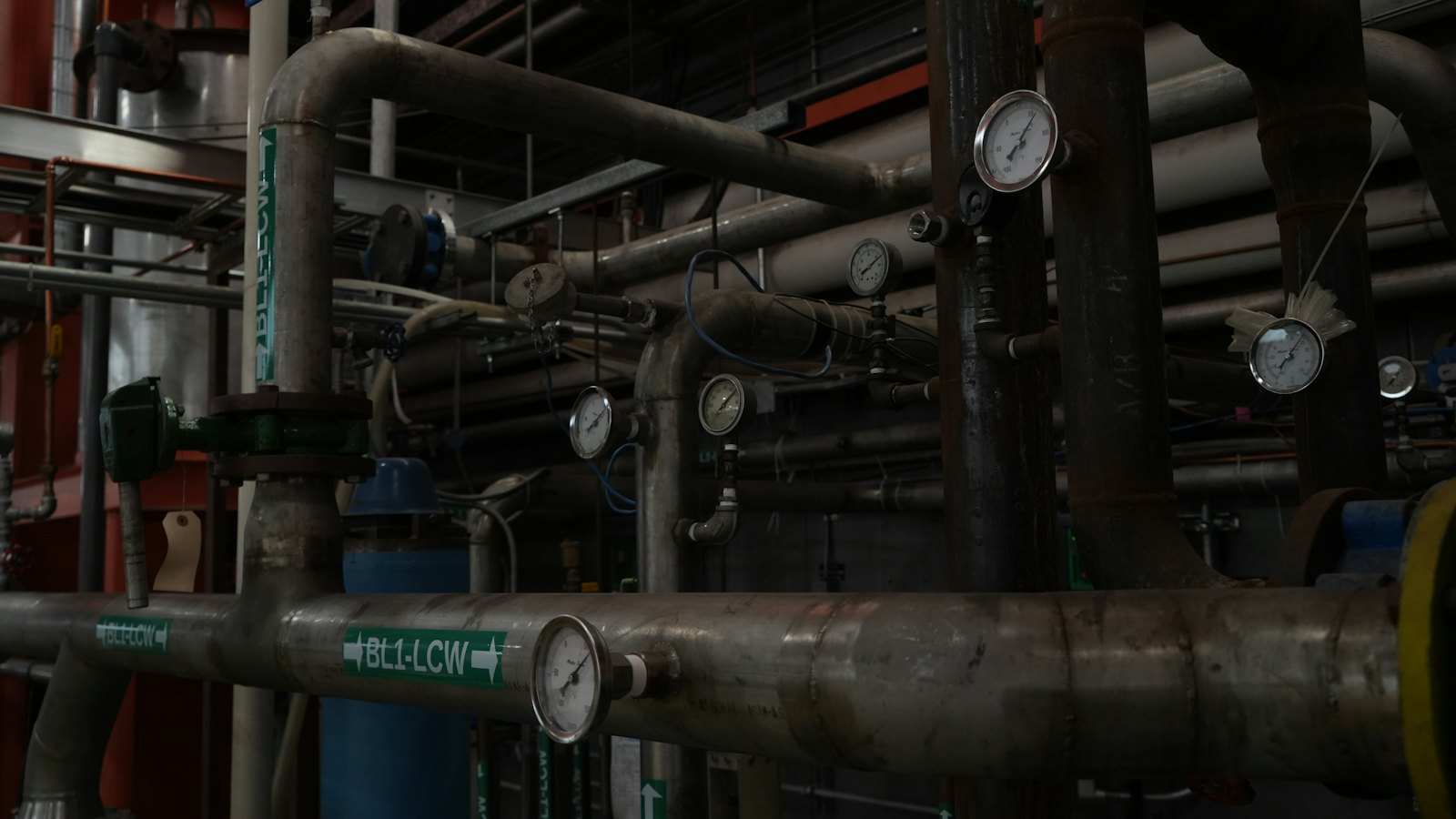
Chilled water, heating and process cooling pipework
HVAC for cleanrooms and controlled environments
Control philosophy and sequences of operation
What you receive
Design report and calculations
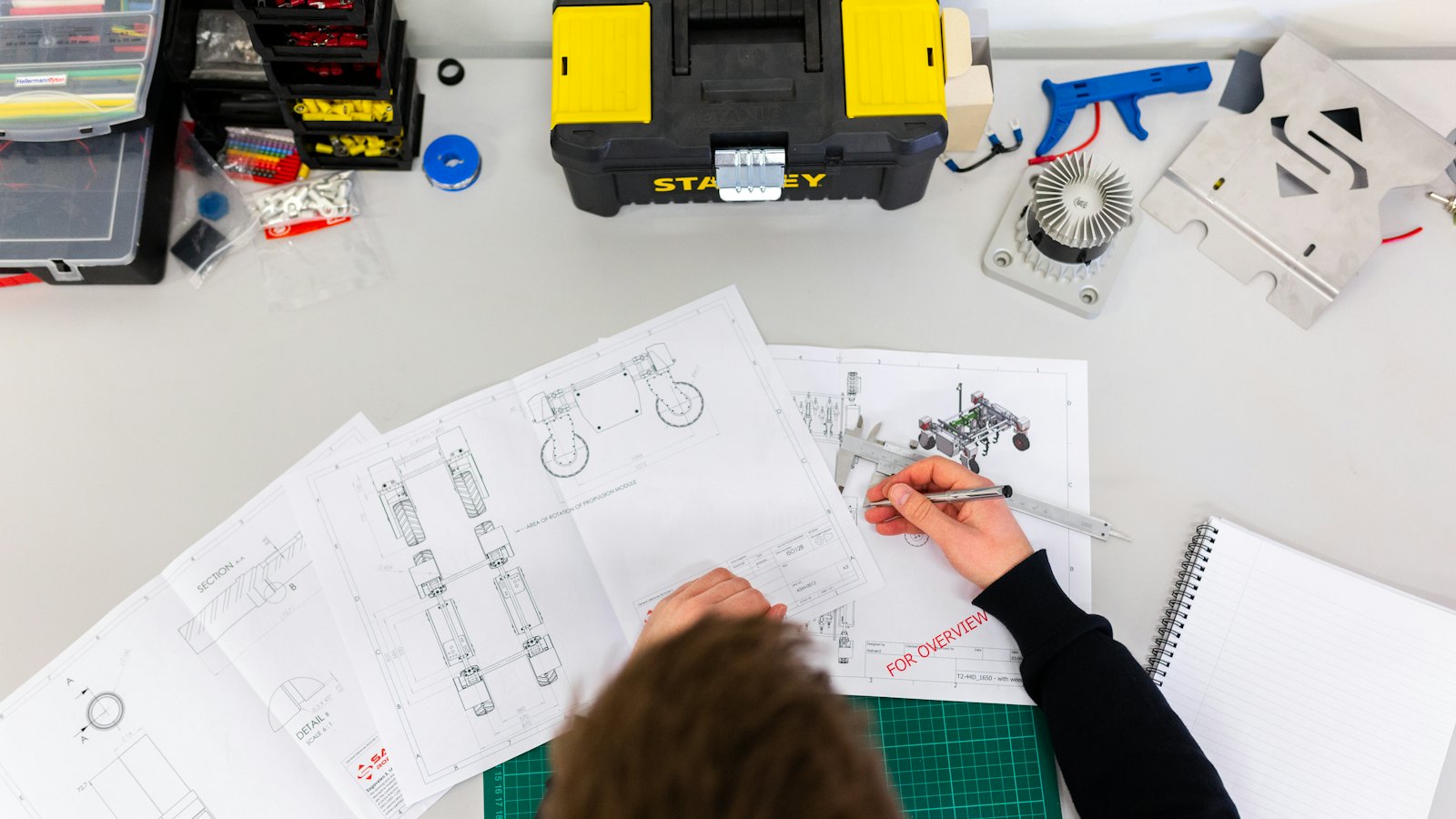
Schematics and layout drawings
Equipment schedules and technical specifications
Support through tender and technical queries
Sustainable energy reviews
A structured review of how a facility uses energy for heating, cooling and ventilation, and where that energy is lost. It ends with a short list of measures ranked by savings, cost and disruption, so you know what to do first and what to leave alone.
Typical scope
Review of plant, controls and operating data
Heat recovery and free cooling opportunities
Heat pump and electrification feasibility
Setpoints, schedules and control optimisation
Options for replacing or upgrading ageing plant
What you receive
Written report of findings in plain language
Measures with estimated savings, cost and payback
A recommended order of work
Data centre cooling
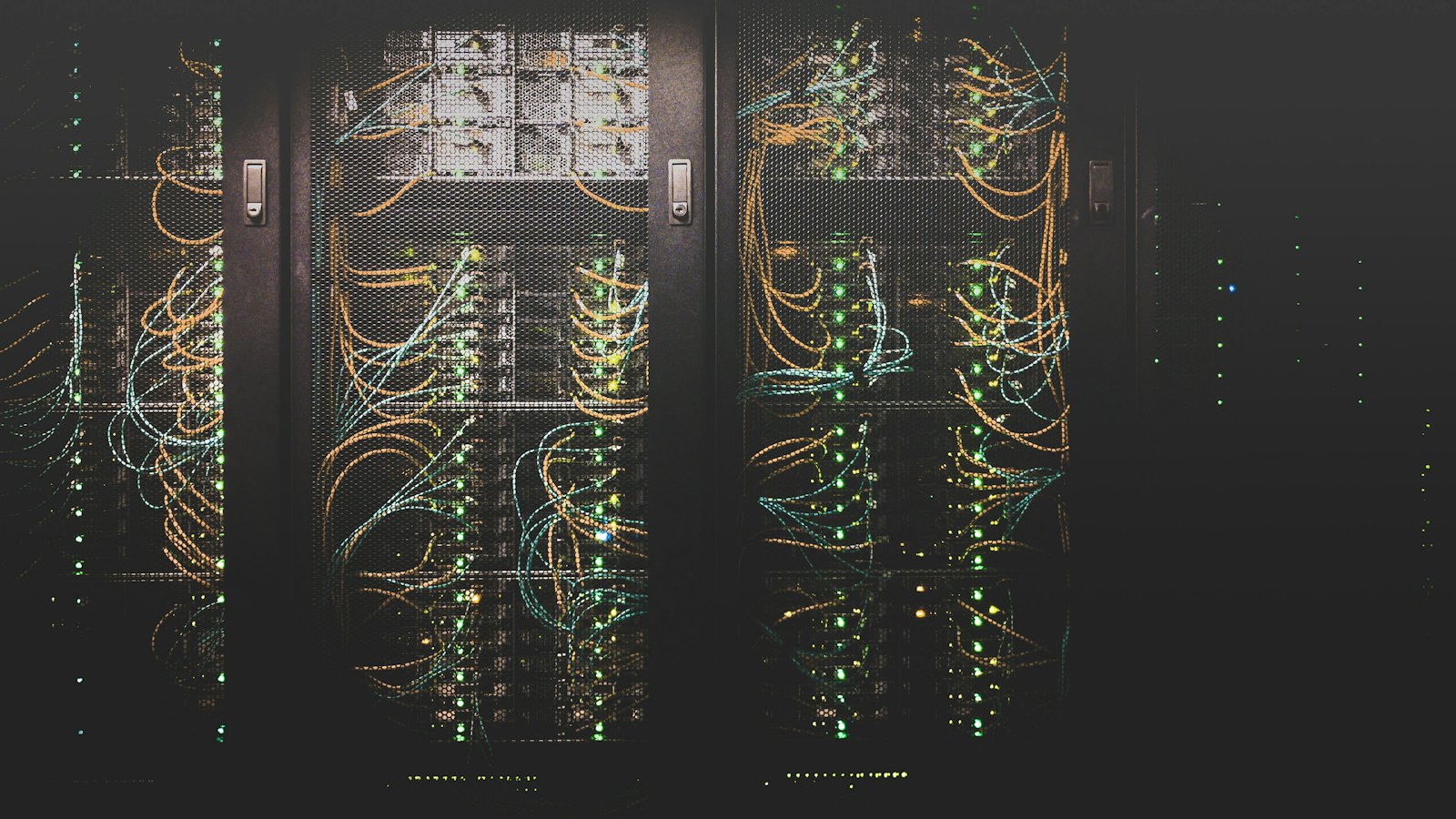
Cooling design and design review for data halls and the plant that supports them. The work balances three things that pull against each other: resilience, energy and water use, and the move towards much higher rack densities.
Typical scope
Cooling concept and topology selection
Free cooling and chilled water temperature strategy
Air management and containment
Readiness for liquid-cooled, high-density racks
Redundancy and failure scenario review
Energy and water use assessment
Feasibility of reusing waste heat
What you receive
Basis of design and cooling concept
Schematics and capacity calculations
Design review reports with clear issues and recommendations
Project reviews and compliance
An independent check of mechanical work that someone else has designed or installed. The review tests it against the brief, good engineering practice and the applicable regulations and standards, and reports what needs to change while it is still cheap to change.
Typical scope
Independent review of mechanical designs by others
Checks against applicable regulations and standards
Site inspections of installed work
Witnessing of testing and commissioning
Review of handover documentation
Technical due diligence for buyers, investors and tenants
What you receive
Review report with issues ranked by severity
Compliance checklist with gaps and actions
Site and commissioning observation reports
Due diligence report on condition and risk
Digital solutions
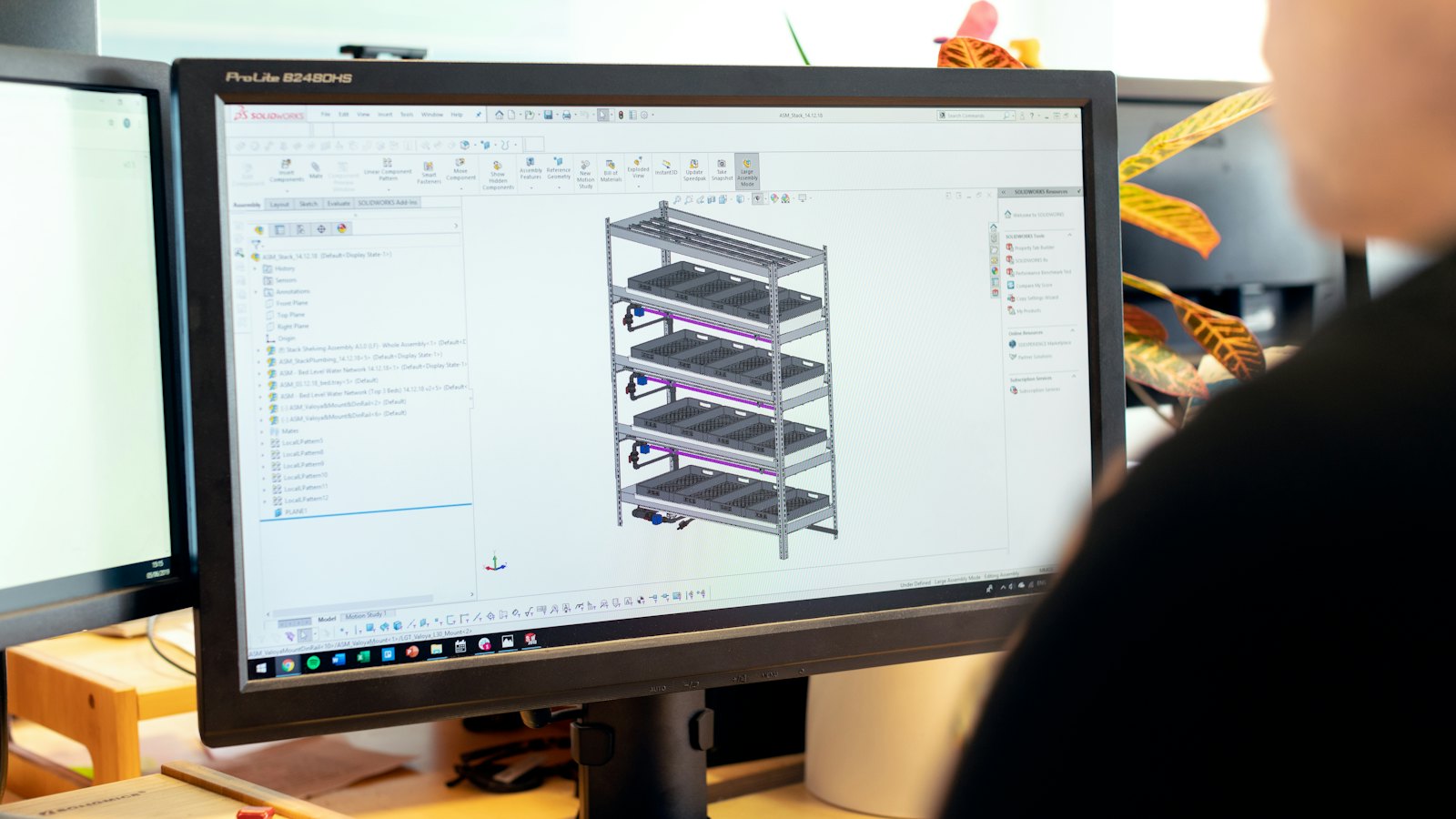
Models and software that support the engineering. A coordinated 3D model shows whether the systems fit, simulation shows how air and energy will behave before anything is built, and purpose-built tools take repetitive calculation off the project team.
Typical scope
BIM and coordinated 3D models of mechanical systems
Clash checking against structure and other services
CFD modelling of airflow and temperature
Building and plant energy modelling
Calculation tools and automation of repetitive tasks
What you receive
Coordinated model and model-based drawings
Simulation report with results and recommendations
Documented tools your own team can use
Not sure which of these you need? Describe the site and the problem, and the reply will say what kind of work would answer it.